Pipe Welding - A Comprehensive Guide for Professionals and Investors
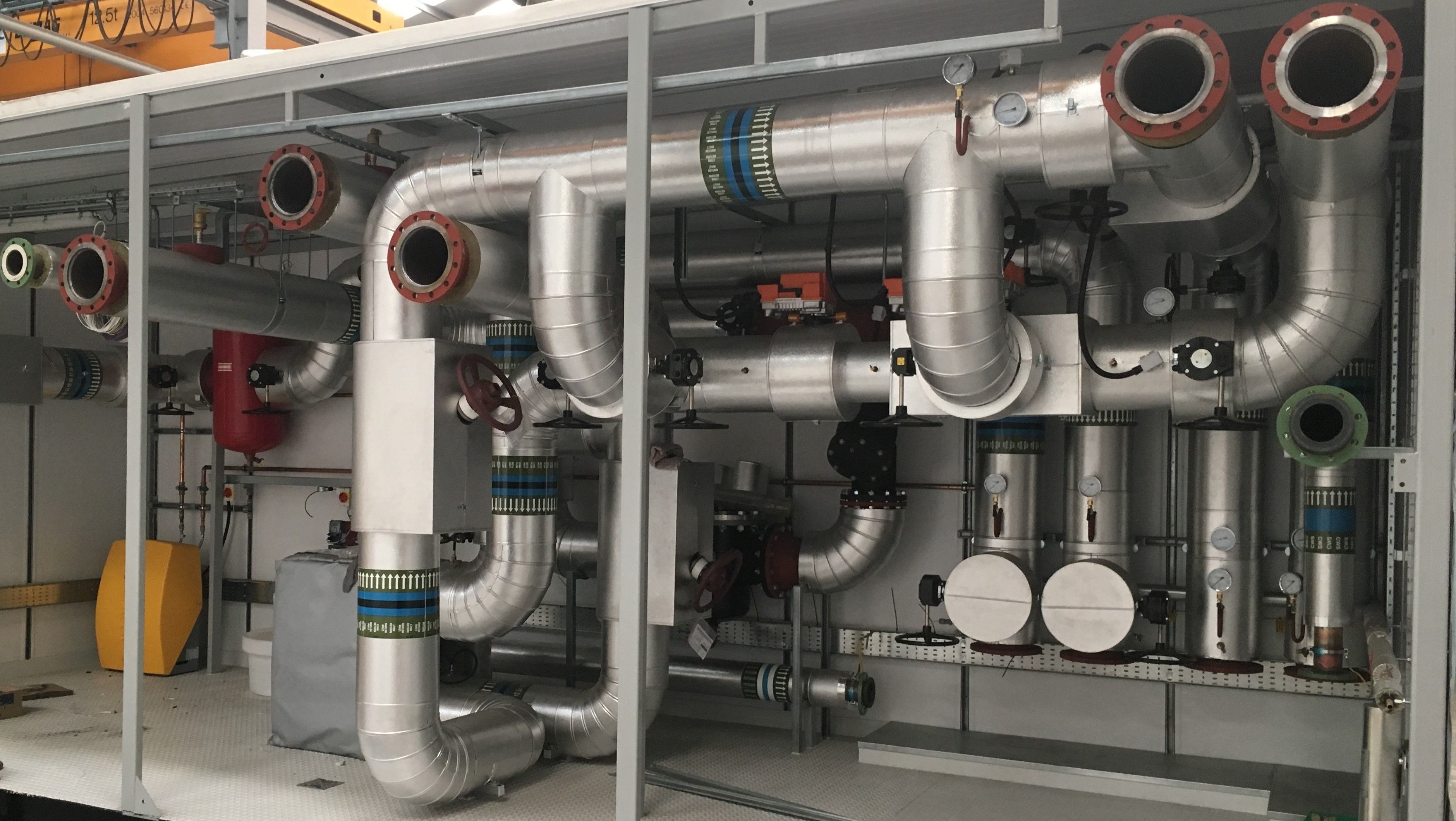
What is Pipe Welding?
Pipe welding is the process of permanently joining two or more pipe sections using heat, which melts the material and creates a tight, durable weld. Welding is crucial in the construction of water, gas, industrial, and structural installations, where the reliability of connections determines the safety and efficiency of the entire system.
Applications of Pipe Welding
Pipe welding is used in many industries, including:
- Water and sewage installations
- Heating and cooling systems
- Oil and gas industry
- Steel structure construction
- Chemical and food industry
- Fire protection systems
The Most Popular Pipe Welding Methods
The choice of method depends on the material, wall thickness, pipe diameter, as well as technical and environmental requirements.
TIG Welding (GTAW)
Description: Welding with a tungsten electrode in an inert gas shield (argon, helium).
Advantages: Precision, highest weld quality, corrosion resistance.
Applications: Steel, stainless steel, and aluminum pipes; installations requiring tightness and aesthetics.
Challenges: Requires significant experience and operator skill.
MIG/MAG Welding (GMAW)
Description: Welding with a wire electrode in a gas shield (active – MAG, inert – MIG).
Advantages: High efficiency, ability to work in various positions, process automation.
Applications: Steel and aluminum pipes, large diameters; serial production.
Arc Welding (SMAW, MMA)
Description: Welding with a coated electrode, widely used in pipeline construction.
Advantages: Versatility, ability to work in harsh conditions.
Applications: Steel pipes in industrial and power installations.
Submerged Arc Welding (SAW)
Description: Welding under a layer of flux, protecting the weld from oxidation.
Advantages: High weld quality, deep penetration, high speed.
Applications: Large-diameter, thick-walled pipes, transmission pipelines.
Induction Welding (HFI, ERW)
Description: Welding using high-frequency electric current.
Advantages: Efficiency, cost-effectiveness, automation.
Applications: Production of steel pipes for water, gas, oil, and construction.
Plastic Pipe Welding
Description: Electrofusion welding, butt welding.
Applications: Water, gas, and chemical industry installations.
Features: High tightness, corrosion resistance.
Materials Used for Pipe Welding
The most commonly welded pipes are made of:
- Carbon steel – the most popular material in industry and construction
- Stainless steel – requires precise methods such as TIG due to corrosion resistance
- Aluminum – used in the food and chemical industries
- Plastics – polyethylene, polypropylene (electrofusion welding)
Step-by-Step Pipe Welding Process
Pipe Preparation:
- Cleaning surfaces from contaminants, grease, and rust
- Deburring edges after cutting
- Fitting pipes together and temporary stabilization (tack welding)
Choosing the Welding Method:
- Selecting the technique appropriate for the material, thickness, and working conditions
Welding:
- Making the weld according to the chosen technology
- Controlling parameters: current, voltage, travel speed
Quality Control:
- Visual inspection of the weld
- Non-destructive testing (e.g., X-ray, ultrasound) for critical installations
Final Processing:
- Cleaning the weld from slag and spatter
- Possible surface treatment (painting, passivation)
Interesting Facts and Challenges in Pipe Welding
- Orbital welding – an automatic technique used in the pharmaceutical and food industries, ensuring repeatability and the highest weld quality.
- Underwater welding – a specialized field requiring unique qualifications and equipment.
- Welding position impact – pipe welding often takes place in hard-to-reach locations, requiring experience and precision.
- Importance of standards and certification – pipeline welding is subject to strict quality and safety standards.
Why Entrust Pipe Welding to Professionals?
- Experience and qualifications – skilled welders guarantee the durability and tightness of connections.
- Modern equipment – professional companies have advanced technologies, enabling the execution of even the most demanding projects.
- Safety – properly made welds minimize the risk of installation failures.
- Time and cost savings – professional execution reduces the need for repairs and operational downtime.
Contact WeldFab
If you are looking for a professional welding company to carry out steel, stainless steel, or aluminum pipe welding for you, contact us! WeldFab is a team of experienced welders, a modern machine park, and a guarantee of the highest quality services. We invite you to cooperate – we will advise on the best solutions and execute even the most demanding projects!